
Sargassum in Key West, Explained: The Seaweed, the Sea Turtles, and the Best Beaches
- Blog
- 08/06/2026
- Blue Flamingo Guide
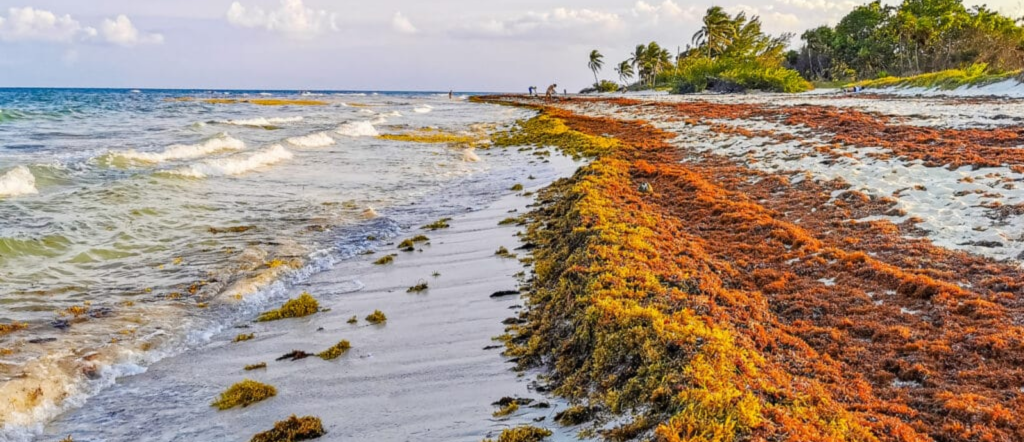
If you’ve been planning a Key West getaway, you may have run into the same question thousands of travelers are searching right now: where can I stay in Key West to get away from the sargassum? With 2026 shaping up to be one of the biggest sargassum seasons on record across the Florida Keys, it’s a smart thing to plan around. But before it changes your travel plans, it’s worth understanding what sargassum is — because this drifting seaweed is one of the ocean’s unsung heroes, and knowing how it works makes it easy to plan a Key West trip that steers clear of it entirely.
What Is Sargassum, and Why Does Key West See It?
Sargassum is a type of floating brown algae — a seaweed that spends its whole life drifting on the open ocean rather than rooted to the seafloor. Tiny gas-filled bladders called pneumatocysts keep it buoyant, so it forms golden mats and ribbons that ride the currents for thousands of miles.
Since 2011, those mats have grown into what scientists now call the Great Atlantic Sargassum Belt, a vast band of seaweed stretching across the ocean. Each spring and summer, winds and currents carry portions of it toward the Caribbean and Florida — and because Key West sits at the tip of the Keys where the Atlantic and Gulf meet, our island gets a front-row seat. That’s why “Key West sargassum season” is a real thing locals track from roughly late spring through summer, with Monroe County even issuing guidance in peak years like 2026.
Nature’s Floating Nursery — Not Just Key West’s Seaweed
Here’s the part most visitors don’t realize: out in the open ocean, sargassum isn’t a nuisance at all — it’s essential. In waters that are otherwise fairly barren, these floating rafts act like biological islands, offering food, shelter, and breeding grounds to hundreds of species. Commercially important fish that Key West anglers know well — mahi mahi, amberjack, triggerfish — feed and grow around the mats. Crabs, shrimp, juvenile fish, and seabirds rely on them too.
The National Oceanic and Atmospheric Administration describes sargassum as a habitat that provides “food, protection, and habitat for many marine species.” Take it away, and the waters around the Keys lose one of their most productive ecosystems.
Why Key West’s Sea Turtles Depend on Sargassum
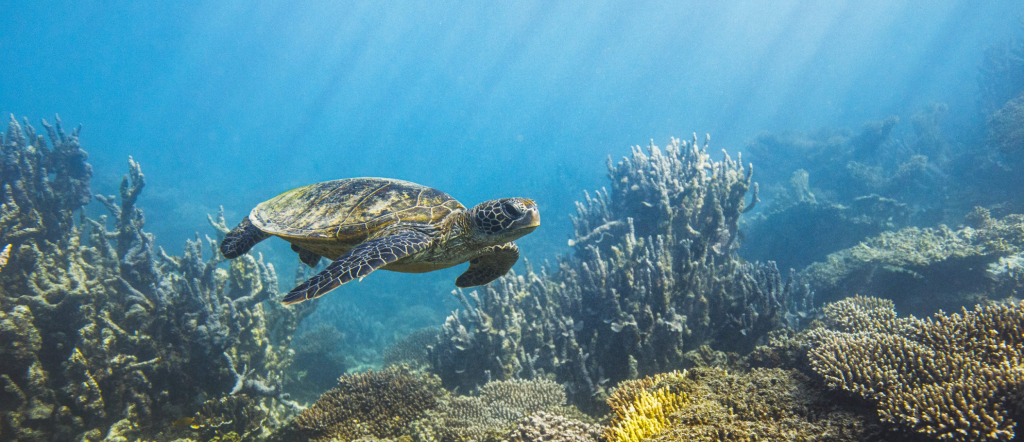
The Florida Keys are sea turtle country, and sargassum matters most to some of our most beloved residents. After hatchlings scramble across the sand and into the surf, many loggerhead and green sea turtles spend their earliest, most vulnerable years drifting within sargassum mats — a stretch biologists call the “lost years.”
The seaweed gives baby turtles exactly what they need. Its dense structure hides them from predators, the warm surface water helps regulate their body temperature, and the mat is packed with small creatures to eat. For a tiny turtle alone in a vast ocean, a sargassum patch is both a nursery and a lifeboat. So when you spot a little seaweed offshore near the Keys, it’s worth remembering it’s doing important work — it’s only a problem when large volumes wash ashore and decompose on the beach.
Will sargassum be removed from the Keys’ beaches?
In most cases, yes. Monroe County — along with the cities of Key West, Marathon, and Key Colony Beach and the Village of Islamorada — runs beach cleaning programs for the public beaches and parks in their jurisdictions. Private oceanfront and bayside resorts typically have their own beach cleanup programs as well. That’s why the managed public beaches above are often groomed by mid-morning even during a heavy season, though timing depends on how much washes in and when.
The Key West Beaches That Tend to Stay Clearest
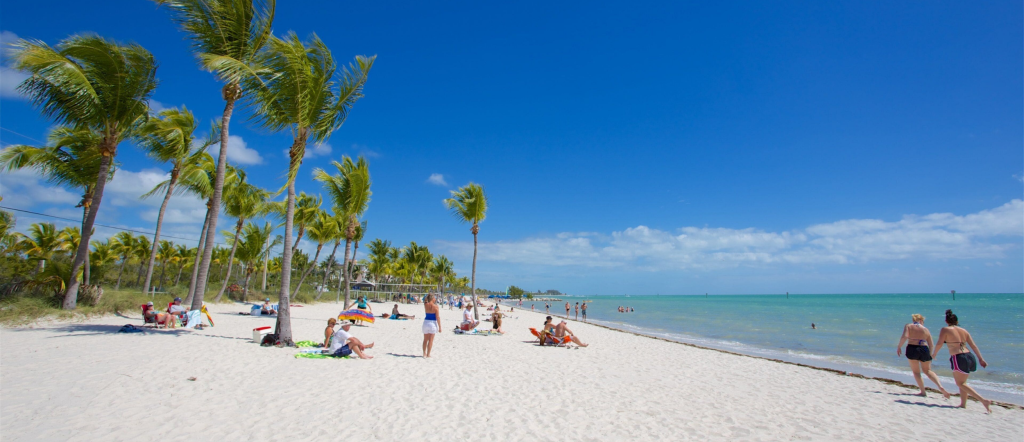
That last point is the key to planning your trip: sargassum is a beach-line issue. It piles up on open, surf-facing shorelines — which means the beach you pick makes a real difference in Key West. No beach here is guaranteed sargassum-free in a big season, and conditions can genuinely change day to day (one beach may have buildup while another nearby is clear that same morning). But a few spots consistently fare better:
- Fort Zachary Taylor — widely considered Key West’s best bet for clearer water. It sits on the island’s southwestern tip where the Gulf and Atlantic mix, and its deeper, better-circulating water and offshore rock formations help sweep seaweed away from the main swim zone. Park rangers also rake what does come in. The bottom is rocky, so water shoes are smart.
- Smathers Beach — Key West’s largest beach, and one of the actively managed ones. Crews clear seaweed regularly, so even in season it’s often groomed by mid-morning.
- Higgs Beach — another maintained public beach that gets regular cleanup, with calmer, shallow water that’s easy for families.
- Head offshore — snorkel trips, reef tours, and sandbar excursions almost always skip the seaweed entirely, since tides and currents keep the open water clear. On a heavy-seaweed day, getting out on the water often beats the shoreline.
A quick local habit worth adopting: check a same-day sargassum tracker or a beach webcam the morning of, since conditions shift with the wind and tide.
Where to Stay: A Home Base That Doesn’t Depend on the Tide
Here’s where your choice of home base pays off. At Blue Flamingo Resort, your Key West vacation doesn’t hinge on the condition of a public beach at all. Blue Flamingo is a pool-centered resort, so your days revolve around our sparkling pool deck, lounge chairs, and laid-back island atmosphere — not seaweed forecasts or tide reports. There’s no raking, no smell, no scrambling to find a clear stretch of sand. You simply relax poolside while all of Key West’s best — Duval Street, the sunset celebration at Mallory Square, the food, the art, the nightlife — stays a short stroll or ride away.
And when you do feel like sand, you’re perfectly placed to hop over to Fort Zachary Taylor or one of the managed beaches when conditions are clear, then come home to a pool that’s guaranteed inviting no matter what the tide brought in. So while sargassum season comes and goes along Key West’s shoreline, a stay at Blue Flamingo keeps the seaweed off your itinerary. You get the warmth, color, and easy pace of the island with a home base that stays crystal clear all season long.
The Takeaway
Sargassum is a natural, vital part of the Atlantic ecosystem and a genuine friend to the Key West sea turtles we all love — it only becomes a hassle when it piles up on the beach. That’s exactly why where you stay in Key West matters. Choose a pool-first getaway at Blue Flamingo Resort and enjoy the island on your terms, no seaweed required.
Ready to plan a worry-free Key West escape? Book your stay at Blue Flamingo Resort and dive straight into island time.